


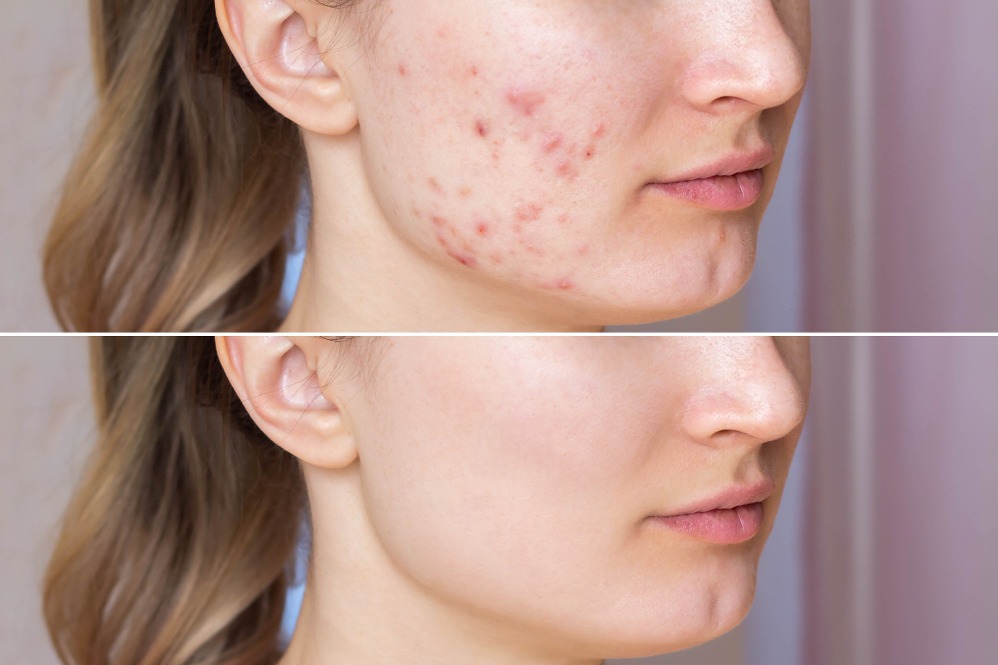
Acne affects people of all ages and is more complex than occasional breakouts. Hormonal changes, excess oil production, clogged pores, bacteria, stress, and even genetics can contribute to persistent acne. Understanding the cause is the first step toward choosing an effective treatment instead of relying on temporary fixes.
People across Pitampura, Rohini, Shalimar Bagh, Rani Bagh, Kohat Enclave, and Netaji Subhash Place frequently seek treatments that address both active acne and the marks left behind.
Why Does Acne Keep Returning?
Many over-the-counter products focus only on drying out pimples. While this may reduce inflammation temporarily, it rarely addresses the underlying causes.
Recurring acne may be linked to:
- Hormonal imbalance
- Excess sebum production
- Blocked pores
- Poor skincare routines
- Stress
- Diet in certain individuals
Professional evaluation helps determine which factor is contributing the most.
Different Types of Acne
Not all acne is the same. Common forms include:
- Whiteheads
- Blackheads
- Papules
- Pustules
- Nodules
- Cystic acne
Each type requires a different treatment strategy. Severe acne often benefits from medical supervision rather than self-treatment.
Professional Acne Treatments
Modern dermatology offers several effective options depending on severity.
These may include:
- Medical-grade chemical peels
- Prescription medications
- Laser-based therapies
- Acne extraction procedures
- Customized skincare plans
- Combination treatments
The right approach depends on skin sensitivity, acne type, and long-term goals.
Can Acne Scars Be Prevented?
Early treatment plays an important role in reducing permanent scars. Squeezing or picking pimples increases inflammation and can damage deeper layers of the skin.
Good habits include:
- Avoid touching acne lesions.
- Use dermatologist-recommended products.
- Protect skin from excessive sunlight.
- Follow treatment consistently.
Preventing scars is often easier than treating them later.
Lifestyle Habits That Support Healthy Skin
Medical treatment works best when combined with healthy skincare habits.
Helpful practices include:
- Washing the face twice daily
- Removing makeup before sleeping
- Staying hydrated
- Using non-comedogenic products
- Managing stress
- Following a balanced diet
These habits support overall skin health without replacing professional care.
When Should You Visit a Skin Clinic?
Consider professional evaluation if:
- Acne continues for several months.
- Painful cysts develop.
- Over-the-counter products are ineffective.
- Dark spots or scars begin forming.
- Acne affects confidence or daily life.
Prompt treatment can reduce long-term skin damage.
Choosing a Personalized Acne Treatment Plan
Every person's skin behaves differently. Factors such as age, hormone levels, skin type, and medical history influence treatment decisions. Clinics that create customized plans often achieve better long-term outcomes than standardized approaches.
Pravi Wellness Clinic focuses on evaluating individual skin conditions before recommending suitable acne management options. This allows treatment plans to evolve as the skin improves rather than relying on a single solution.
Managing acne requires patience, consistency, and the right medical guidance. With appropriate care, many people experience significant improvements in skin clarity while reducing the risk of future breakouts and acne scars.


